>
Articles>
The Children's Wellbeing Bill 2026: What Every Parent Needs to Know Before Choosing a Summer Programme
The Children's Wellbeing and Schools Bill is about to become law. It is the most significant piece of UK education legislation in over a decade, covering everything from digital safeguarding and social media restrictions to qualified teaching standards and a complete overhaul of the national curriculum.
Whether or not you have been following the parliamentary debates, the changes in this Bill will shape your child's school experience for years to come. And for parents planning a summer programme, the timing is worth paying attention to, because the principles behind these reforms can also help you make a better decision about how your child spends the break.
The Children's Wellbeing and Schools Bill was introduced in December 2024 and is now in its final parliamentary stages, moving between the House of Commons and the House of Lords since January 2026 with votes on key amendments continuing into April.
The Bill covers safeguarding, children in care, school attendance, teacher qualifications, academy regulation, and school inspections. But three areas are especially relevant to parents thinking about their child's education, both during term time and over the summer.
👉 What are worldschooling education philosophy?
Why this matters: The Bill signals a national shift in how seriously the UK treats children's relationship with screens. For parents, it is a useful prompt to think about what role screens play in your child's downtime, especially over the long summer break.
In January 2026, the House of Lords backed an amendment that would ban social media for under-16s entirely. The Commons rejected a blanket ban but voted in April 2026 to give ministers flexible powers to restrict children's access to specific platforms, including potential curfews, scrolling limits, and restrictions on location sharing. A government consultation covering social media bans, AI chatbot use, and whether the digital age of consent should be raised from 13 closes on 26 May.
The science is moving in the same direction. The American Academy of Pediatrics updated its guidance in early 2026, shifting away from hard hourly limits towards a framework based on content quality and context. Research published in March 2026 found that children with communication difficulties developed more behavioural problems after just 10 to 30 minutes of daily solitary screen use.
The message from both policymakers and researchers is the same: it is not just the amount of screen time that matters, but what replaces it. This does not mean every family needs to sign up for an overseas programme. But it is worth considering whether the summer activities you are planning give your child enough time away from screens doing things that genuinely engage them, whether that is outdoor exploration, a creative workshop, a community project, or a structured trip abroad.
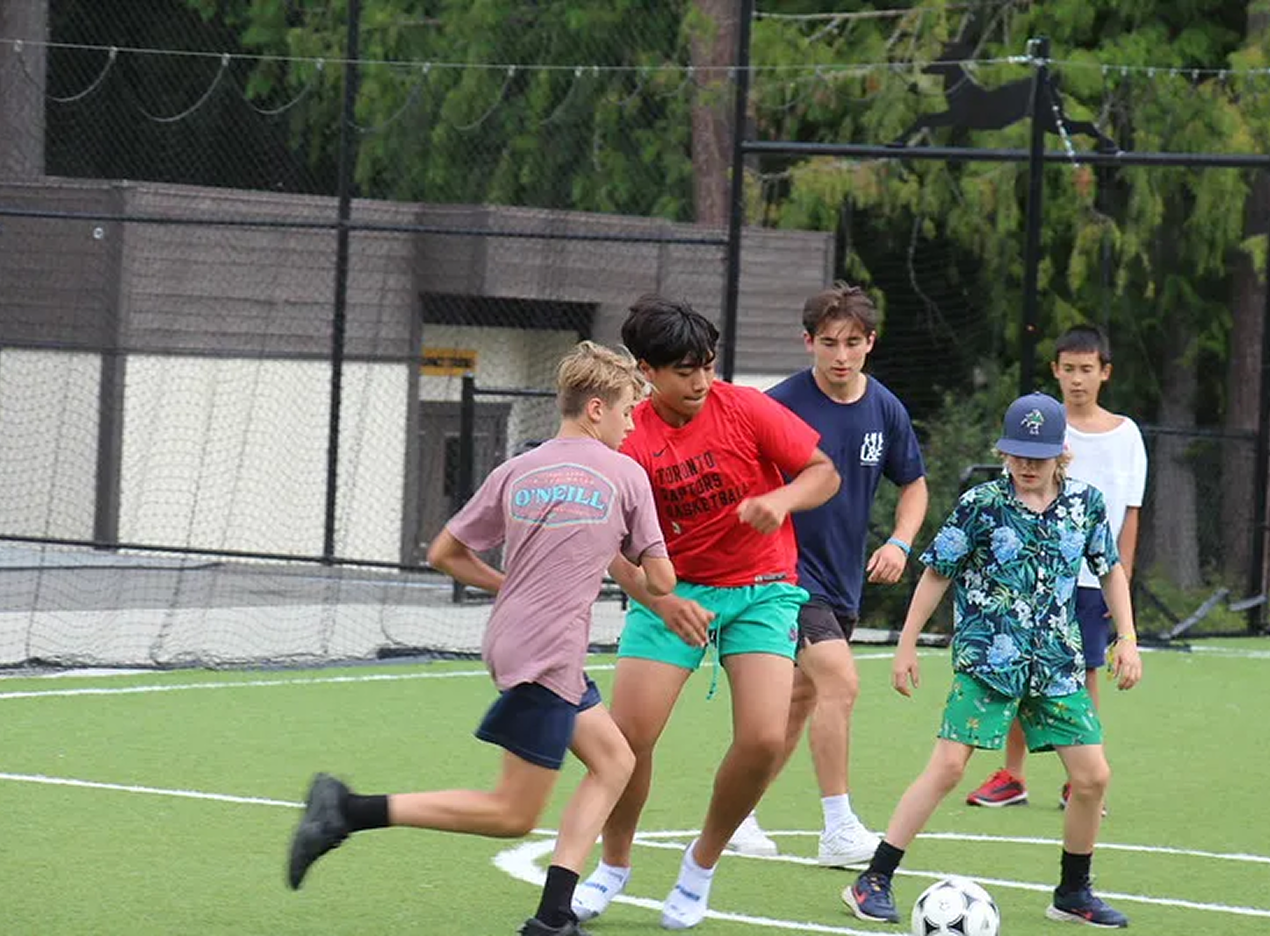
Why this matters: From September 2026, all new teachers in state schools must hold or be working towards Qualified Teacher Status. It is a reminder that the quality of the adult leading your child's learning matters, wherever that learning happens.
The Bill brings a more unified teaching standard across the state sector. And while not every summer experience needs to be led by a certified teacher, the principle is worth applying: who is actually guiding my child's learning, and do they have genuine expertise?
The difference can be significant. A drama workshop led by a working theatre director offers a different depth of experience than one led by a general activity supervisor. A science field trip guided by a practising researcher opens doors that a textbook cannot. Language immersion taught by native-speaking professionals sticks in a way that classroom repetition often does not.
This is not about credentials for credentials' sake. It is about recognising that children learn more deeply when they are guided by people who are genuinely passionate and knowledgeable about their subject.
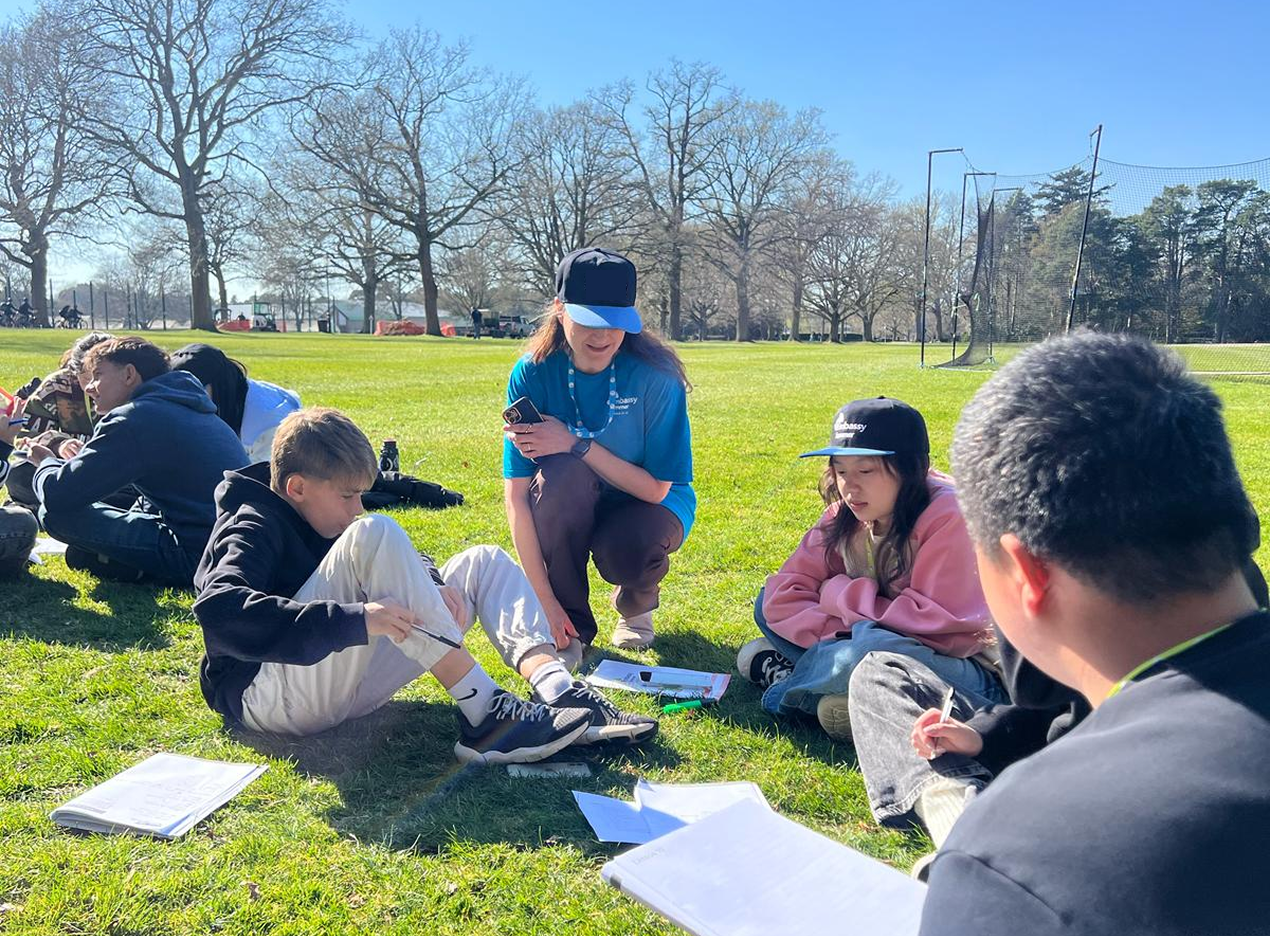
Why this matters: The government's Curriculum and Assessment Review confirms that the new national curriculum (arriving in 2028) will place far greater emphasis on skills, enrichment, and real-world application. What was once considered "extra" is becoming essential.
The independent Curriculum and Assessment Review, led by Professor Becky Francis CBE and published in November 2025, is reshaping what schools will deliver from September 2028. Key changes include scrapping the EBacc, introducing Year 8 diagnostic assessments, making citizenship mandatory in primary schools, and creating a new post-16 pathway called V Levels.
The most significant shift for parents, though, is the emphasis on enrichment. The review recommends that schools guarantee opportunities beyond the classroom, from civic engagement and the arts to outdoor learning, sport, and wider life skills. Ofsted will consider how schools meet these expectations as part of routine inspections.
The takeaway is simple: the kinds of experiences that were once seen as "nice to have" are increasingly recognised as essential parts of a rounded education. If your child's school is being asked to deliver more enrichment and real-world application, then summer experiences that offer the same are no longer just a holiday. They are part of a broader educational picture.
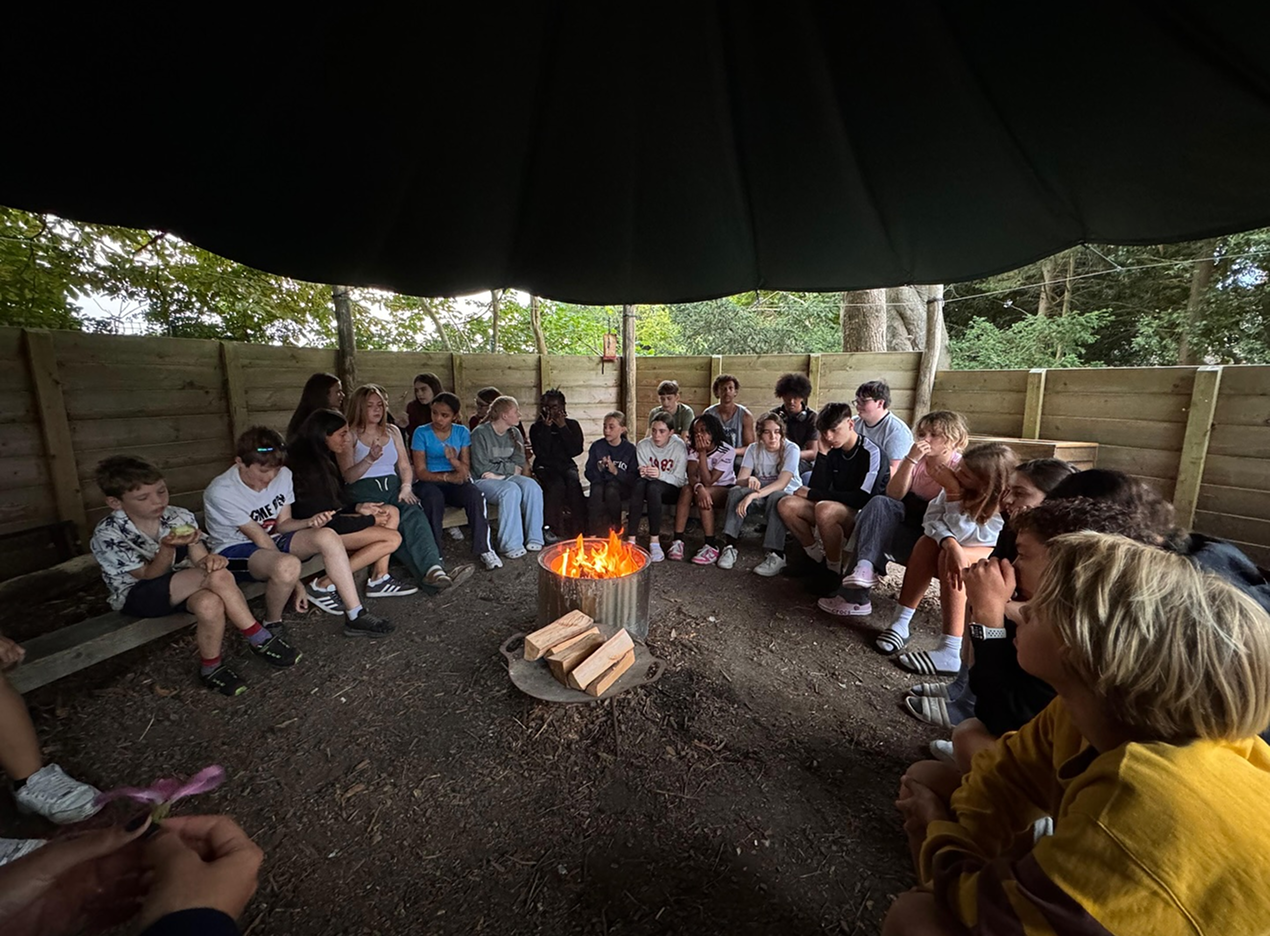
You do not need to overhaul your plans because of a piece of legislation. But the principles behind the Bill offer a genuinely useful framework for evaluating any summer programme.
Who is leading the learning? Is the person guiding your child someone with real knowledge and experience, or a general supervisor? The best summer experiences are shaped by people who can share insights your child would not get in a standard classroom.
What is replacing the screen? A good programme does not need to be anti-technology, but it should offer something compelling enough that your child genuinely wants to put the phone down. That might be a theatre stage, a research lab, a mountain trail, or a community kitchen in a country they have never visited.
Will the learning last? Look for programmes where students come home with something tangible: a project, a portfolio, a skill they can demonstrate, a story they keep telling.
Is your child doing, or just watching? Children learn more deeply when they are participants, not spectators. Programmes that involve solving real problems, contributing to communities, or creating something from scratch tend to leave a lasting impression.
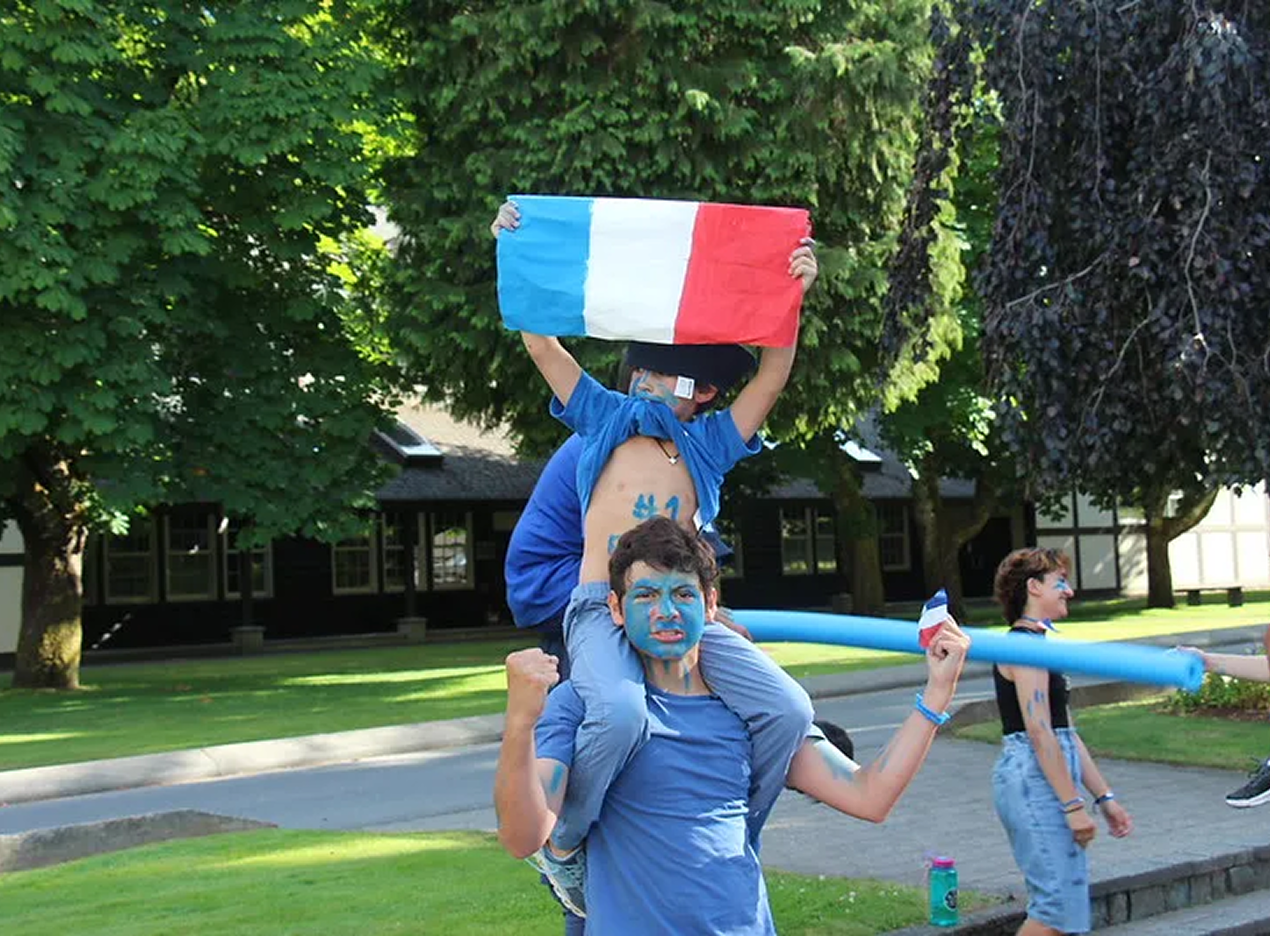
👉 Browse Worldschooling summer programmes
At Worldschooling, we designed our programmes around many of these same principles long before the Bill was drafted. Our experiences are led by practising professionals, grounded in place-based learning, and structured around active contribution and measurable outcomes, across the UK, Spain, Japan, China, and Thailand.
But whatever you choose, the most important thing is that your child's summer includes experiences that challenge them, inspire them, and help them see the world, and their own potential, a little differently.
Article by: Wendy Liu, Education Advisor at Worldschooling
Enter your details to download the full program guide.
Enter your details to receive updates on upcoming programs and destinations.