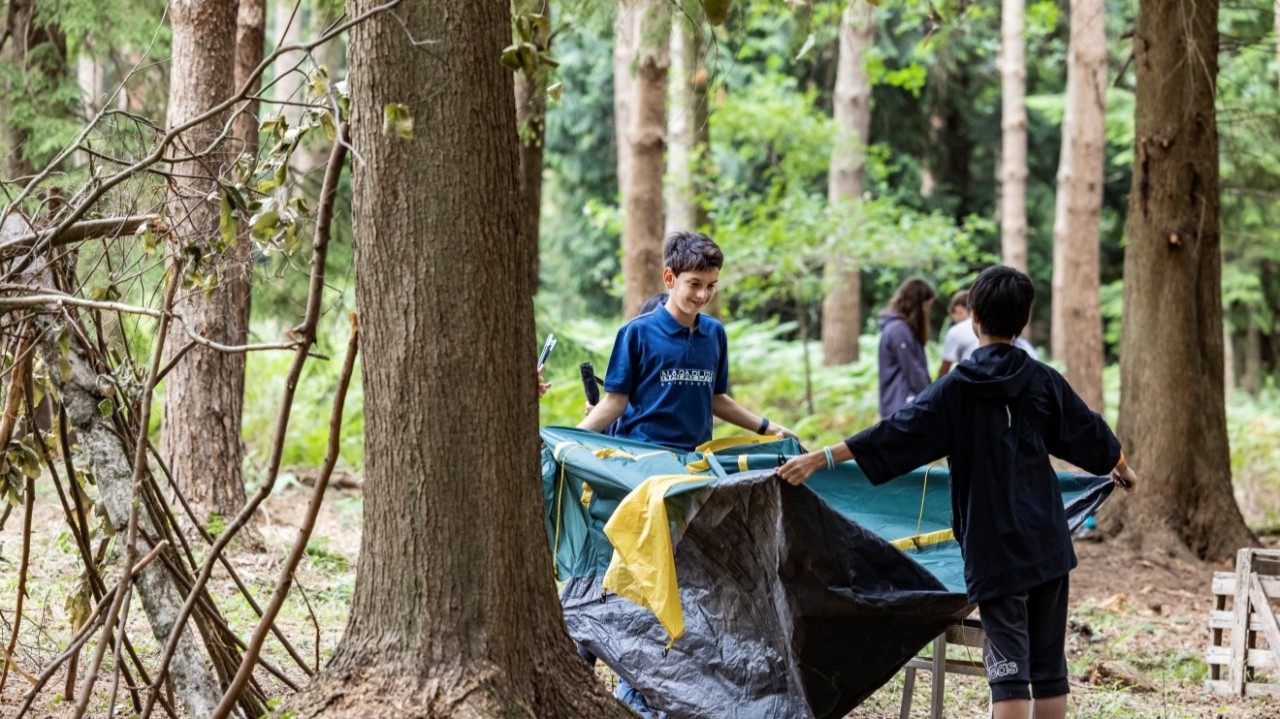
Last summer I sat opposite a parent in a Cambridge café—London accent, tired eyes, the sort of worry you don’t perform. Her daughter had strong GCSE predictions and every reason to feel “sorted”, yet she didn’t. The mother put it plainly: her child was doing everything right, but didn’t seem sure it belonged to her.
A few months later the daughter joined a short neuroscience placement at a Russell Group university. When she came back, the change wasn’t a new badge for her CV. It was more basic than that: she could tell the difference between being good at a subject and wanting to spend real time inside it—day after day, in the actual setting.
I’ve been hearing versions of that story more often recently: high-achieving students doing fine on paper, but wanting something that makes the choice feel real
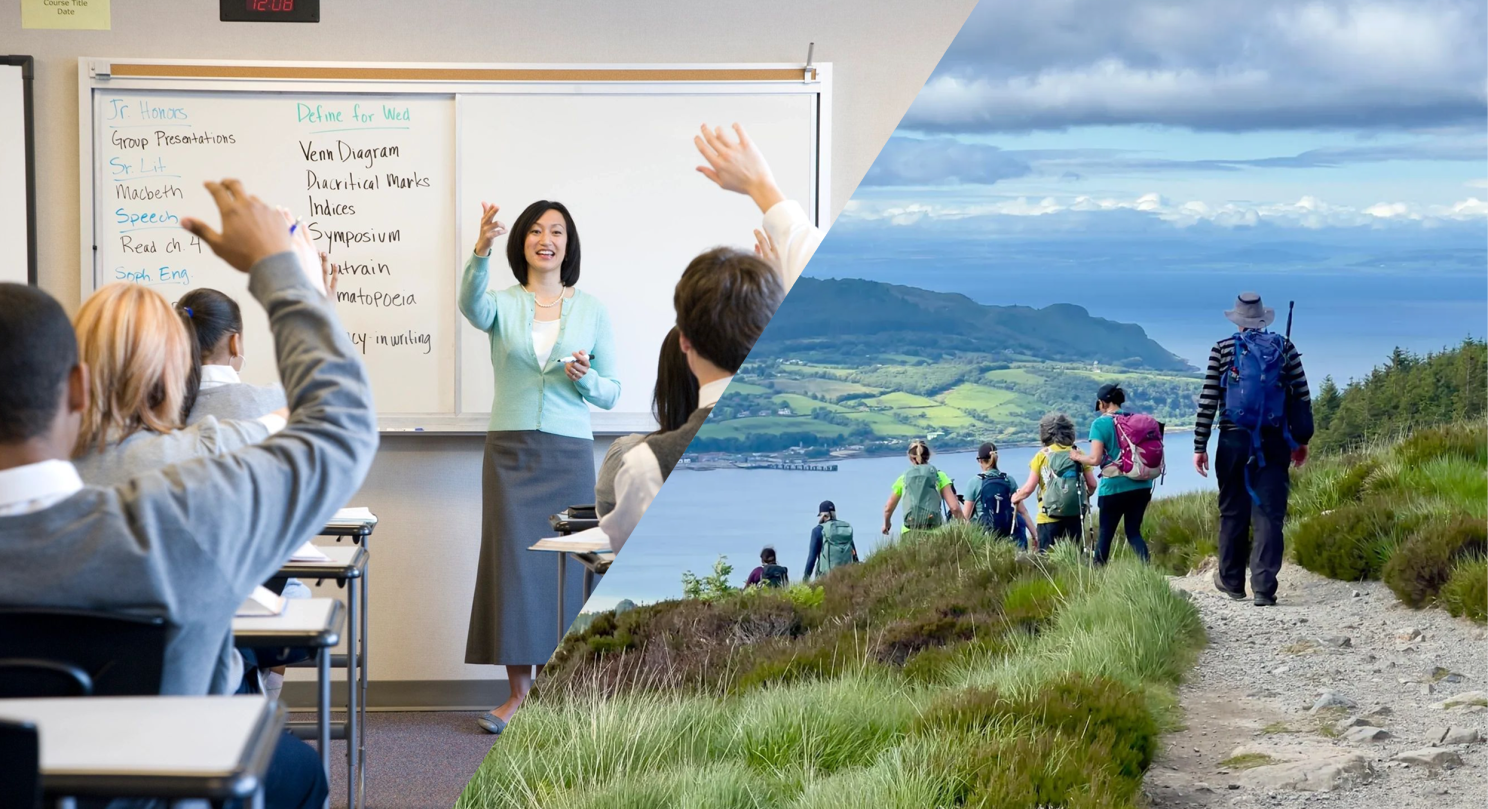
For years the bargain was clear: learn the content, prove it in exams, move on. That still matters—GCSEs and A Levels still sit at the centre of how things work here—but it leaves a gap. Teenagers are asked to choose subjects, courses, even career directions without ever seeing what the work looks like when it’s not packaged for school.
You notice it in applications. Strong grades are expected. What stands out is when a student can describe the subject in plain detail: what they tried, what surprised them, what bored them, what they didn’t expect to find hard. That sort of specificity usually comes from doing something beyond revision.
So some families are adding one or two short experiences alongside school. Not as an alternative, and not as a grand statement—more like a reality check. Is this interest real, or is it just a subject they’re good at?
If you keep it contained, it doesn’t need to disrupt the year. A couple of weeks in summer. A programme over half-term. Something with enough structure to be worthwhile, but not so big it turns into a lifestyle change.
When I say “worldschooling”, I’m talking about that category of experiences: short academic courses, language programmes where students actually use the language daily (with organised excursions so it’s not just classroom time), themed study tours linked to what they’re learning already, and parent–child camps that build confidence and independence together.
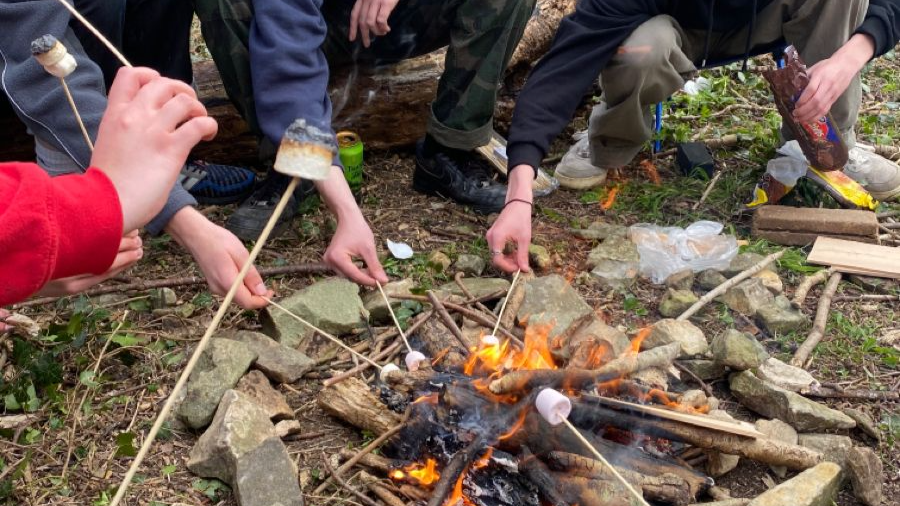
People often assume worldschooling means taking a year out and travelling. That version exists, but most of what I see is far more ordinary: short blocks in the holidays that fit around school rather than fighting it.
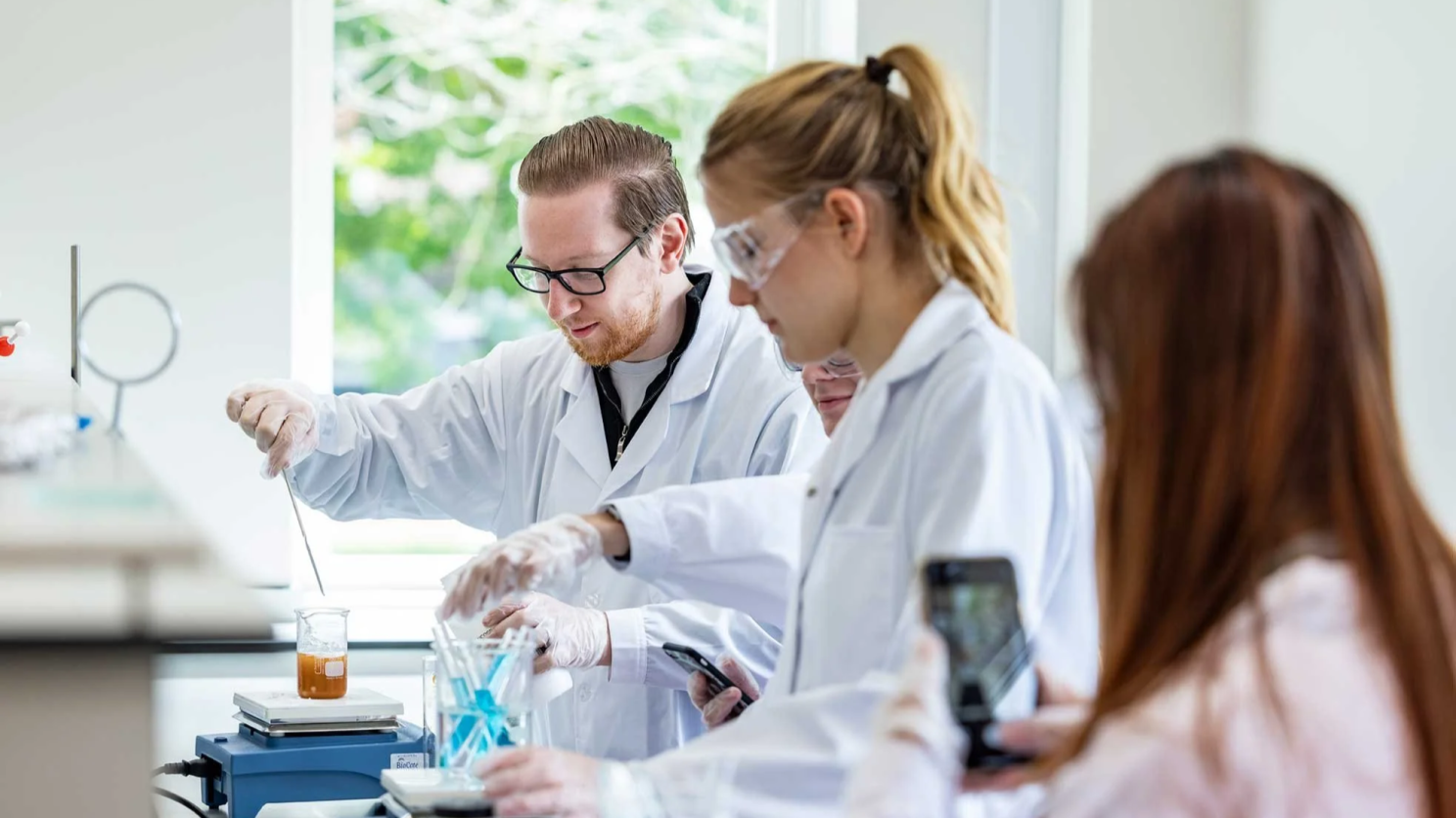
The point is to see what a subject looks like up close. Time in a lab shows you how much science is method and patience—careful steps, lots of notes, repetition you can’t skip. A Model UN weekend forces students to think on their feet and keep going when someone disagrees with them in public. A city project is where “research” stops being a tidy word and turns into a messy notebook you have to organise into something coherent.
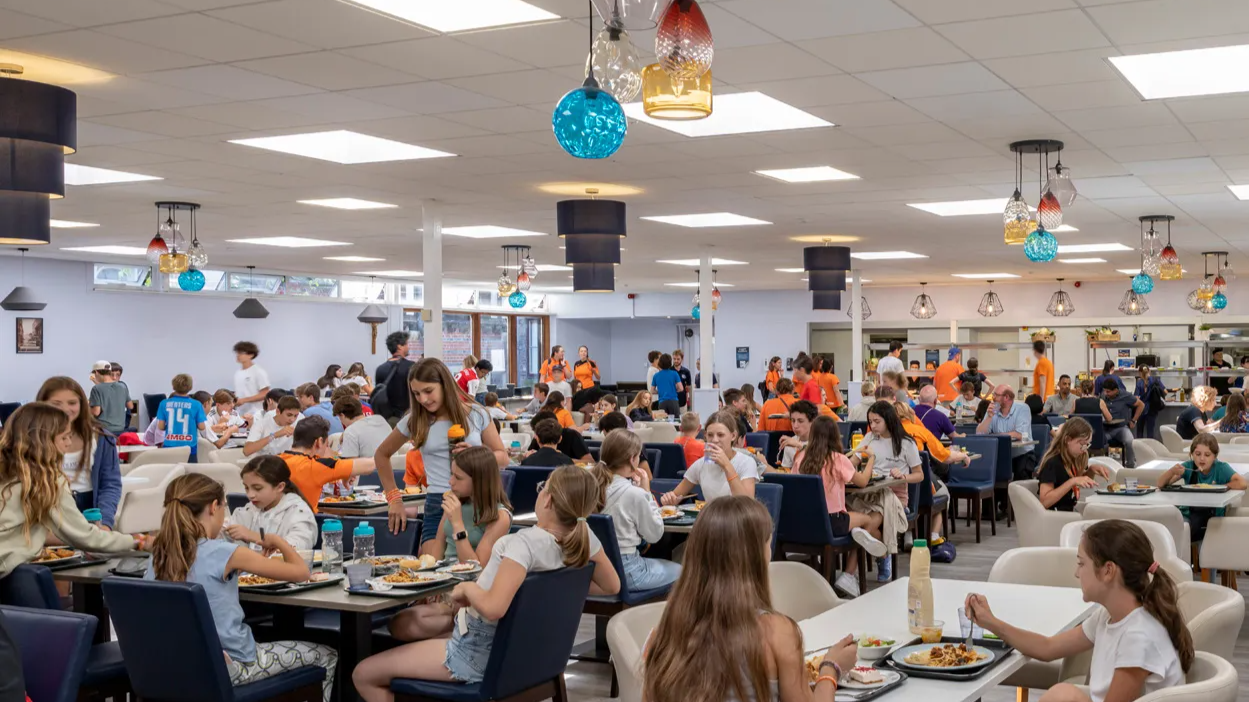
In practice, families often treat summer as a low-pressure trial. One student tried a medical sciences short course first. The next year he chose a technology programme in Europe because he wanted to find out whether he liked building things or only liked the idea of it. Another did a short lab taster; afterwards she stopped speaking in broad statements and started saying specific things—what she enjoyed, what she didn’t, what she’d be happy to do more of.
Practicalities matter, of course. Not every parent can take time easily. But even a bit of flexibility—moving meetings, working remotely part of the week—can make a two-week programme in the holidays possible without taking extended leave.
There’s a simple reason project work changes learning: when students have to use an idea to get something done, it lands differently. It stops being “content” and starts becoming a tool.
The same goes for time spent in another culture—done properly, not rushed. Students have to listen more carefully, adjust, and accept that the way they normally do things isn’t the default setting everywhere. Call it “global competence” if you like; day to day it looks like better judgment, better communication, and fewer assumptions.
We don’t have a huge amount of long-term data on the short-form version of this yet. But you see the same outcome again and again: students write and speak more clearly when they’ve had something real to react to. Their Personal Statements improve because they’re describing actual experiences, not repeating borrowed lines.
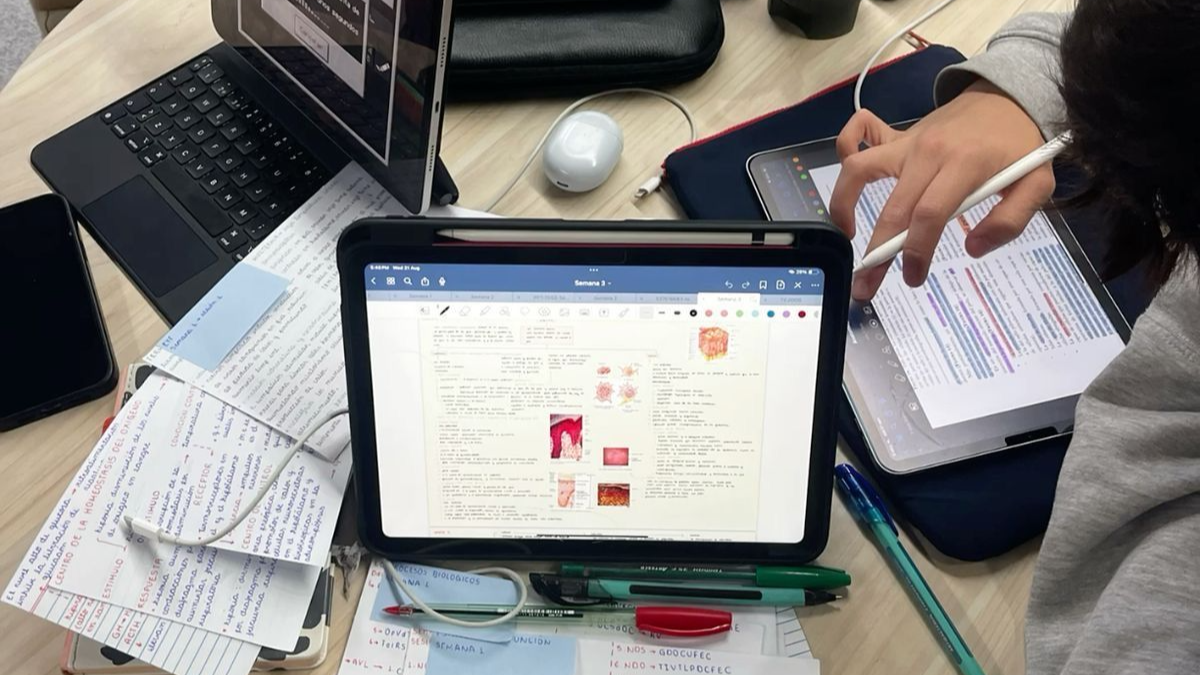
And there’s another angle. I’ve heard hiring managers say it bluntly: plenty of bright graduates struggle when the task isn’t clearly defined. Real work is often half-formed problems, awkward teamwork, and shifting expectations. A short programme won’t solve that on its own, but it does put students in a supervised version of that reality—new people, unfamiliar rules, the occasional setback—and they practise recovering and continuing.

Cost matters, and it’s worth being straightforward about it. Well-run programmes with proper teaching, safeguarding, and day-to-day support cost money—especially when they include specialist facilities, small-group delivery, or partner institutions.
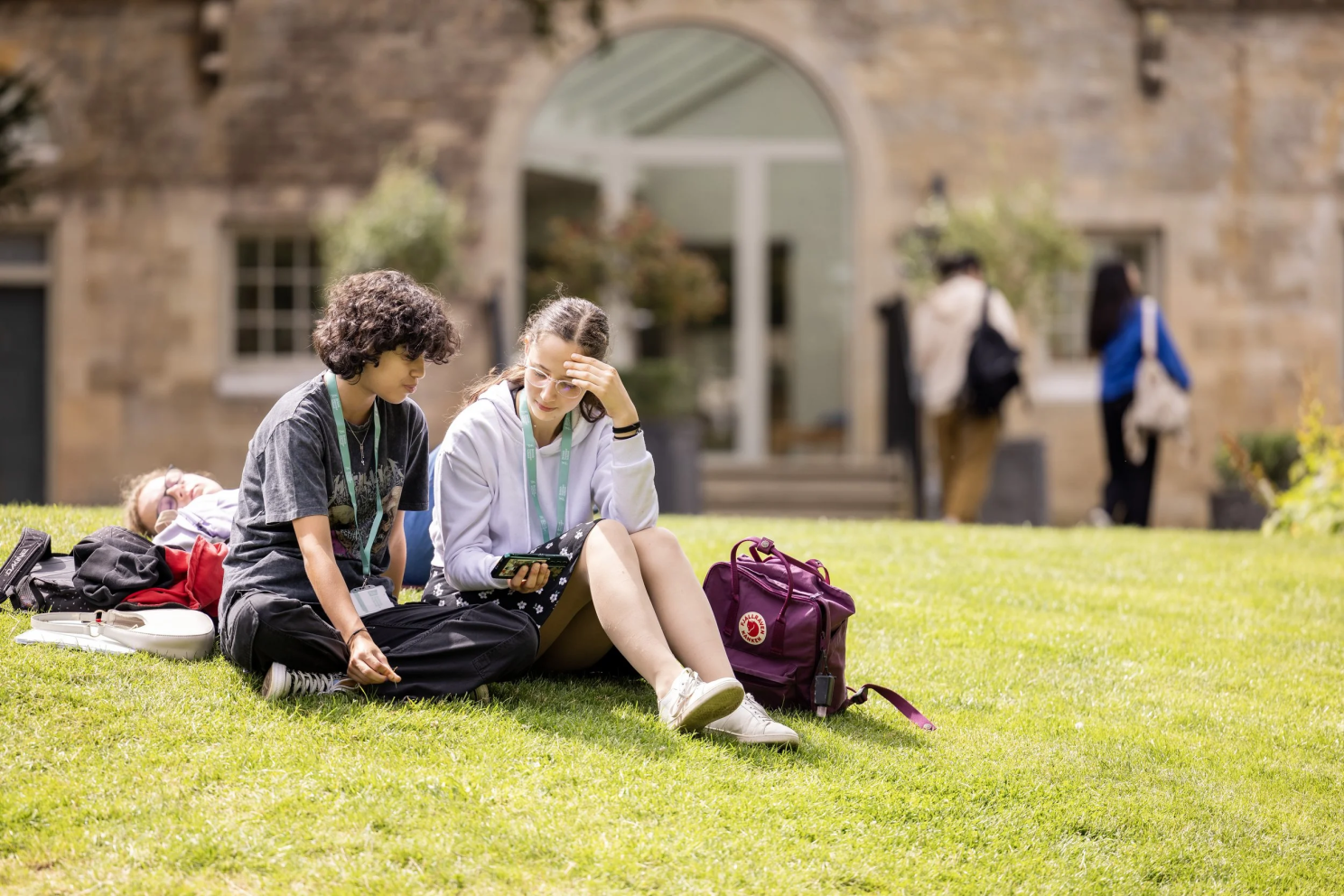
At the same time, families approach this in different ways. Some compare it to what they already spend on tutoring, revision courses, or summer activities; others treat it as a one-off investment to help a student test a direction before committing to years of study. Either way, the aim is the same: a short, structured experience that gives students a clearer sense of fit.
We also know it won’t suit every family, and that’s okay. Our focus is to be transparent about what’s included, why it’s priced the way it is, and what the experience actually delivers—so parents can decide whether it makes sense for their situation.
Success isn’t constant travel. It’s usually a small, practical shift: students finding out what fits.
It’s the student who comes back from a lab placement and finally sees what their maths is doing in real work. It’s the teenager who spends time around a clinical team and realises they’re more drawn to research than patient-facing roles—or realises medicine isn’t for them at all. Either way, they learn something useful about fit

Applications often get better too, but that’s not the main reason families do it. More importantly, students choose with clearer reasons. They don’t have to rely on guesswork as much, and they can explain what they want without hand-waving because they’ve seen what the day-to-day actually looks like.

You don’t need to turn family life upside down to do this. Most people don’t. One or two well-chosen experiences in a year is often enough to make a difference.
If you’re considering it, start with what your child already leans towards, then find a structured way to test it: a short course, a themed study tour linked to a school subject, a language programme with real daily use, or a parent–child camp that builds independence together. The point isn’t to polish a UCAS narrative. It’s to find out, in a straightforward way, whether they enjoy it when it’s real—and whether they’d choose more of it.
You don’t get that from another weekend of revision. You get it by trying the thing.
School and exams aren’t going anywhere. Worldschooling sits beside that, not above it.
What families are usually trying to do is reduce uncertainty. A short, structured experience gives a teenager something real to react to: interest, boredom, energy, stress, curiosity. That reaction tells you a lot, and it often leads to better choices—subjects, courses, even what kind of day-to-day they want.

Article by: Wendy Liu, Head of Education, Worldschooling
Enter your details to download the full program guide.
Enter your details to receive updates on upcoming programs and destinations.